The Countdown Is On

Electronic invoicing (e-invoicing) was introduced in Germany on January 1, 2025.

Since that date, businesses in Germany are required to be able to receive e-invoices.

The general transitional period expires at the end of the year, which means that Germany-based companies or branches or permanent establishments will be required to not only receive but also issue electronic invoices as of January 1, 2027.

Without a functioning e-invoicing solution, the input VAT deduction (Vorsteuerabzug) for incoming invoices is at risk. And, vice versa, this also applies to your customers’ input VAT deduction for your outgoing invoices. For high-value amounts, this can have a significant impact on liquidity.

It may also not be possible to post the entry to the profit and loss account, as no invoice – and therefore no supporting document – has been received!

Since e-invoicing deeply affects core business processes and ERP systems, it represents a complex challenge for every company from an overall perspective.

Are You Ready for E-Invoicing?

An e-invoice is issued, transmitted, and received in a structured electronic format in accordance with the EN 16931 standard. This format also allows for fully automated electronic processing.

Thanks to its digital format, the invoice can be directly imported into an ERP system without manual intervention and processed automatically.

The following formats generally meet the EN 16931 requirements:

  • ZUGFeRD
  • XRechnung
  • Other electronic formats that comply with or are interoperable with the standard

Other formats such as PDF invoices sent via email or paper invoices are not considered e-invoices. They are classified as 'other invoices' and remain permissible, for example, in the B2C sector.

Valid kinds of transmissions are by email, by a business network such as PEPPOL or directly from one server to another (e.g., SFTP, Webinterface, etc.).

If a company or branch or permanent establishment based in Germany provides a taxable domestic supply or service to another German company, it must issue an e-invoice—unless the transaction is exempt from VAT under Section 4 No. 8–29 of the German VAT Act (UStG).

This also applies to businesses based abroad, provided that a German branch or permanent establishment is involved in the transaction.

Exceptions apply only to small-value invoices and transport tickets that qualify as invoices.

Small businesses (Kleinunternehmer) are exempt from issuing e-invoices, but they must still be able to receive them.

Companies with total annual revenue below EUR 800,000 benefit from an extended transition period until the end of 2027. This also applies to certain EDI invoices.

Time is running out: Software changes and process adjustments often take several months, so the remaining time is very limited.

Businesses must prepare their ERP systems and invoicing software immediately for e-invoicing compliance. Prompt implementation is strongly recommended.

Companies that delay the transition or treat it merely as a technical obligation risk missing a major opportunity.

Instead, take a holistic approach: analyze processes in procurement, sales, and accounting, digitally standardize these processes, and consider future ViDA reporting requirements early on.

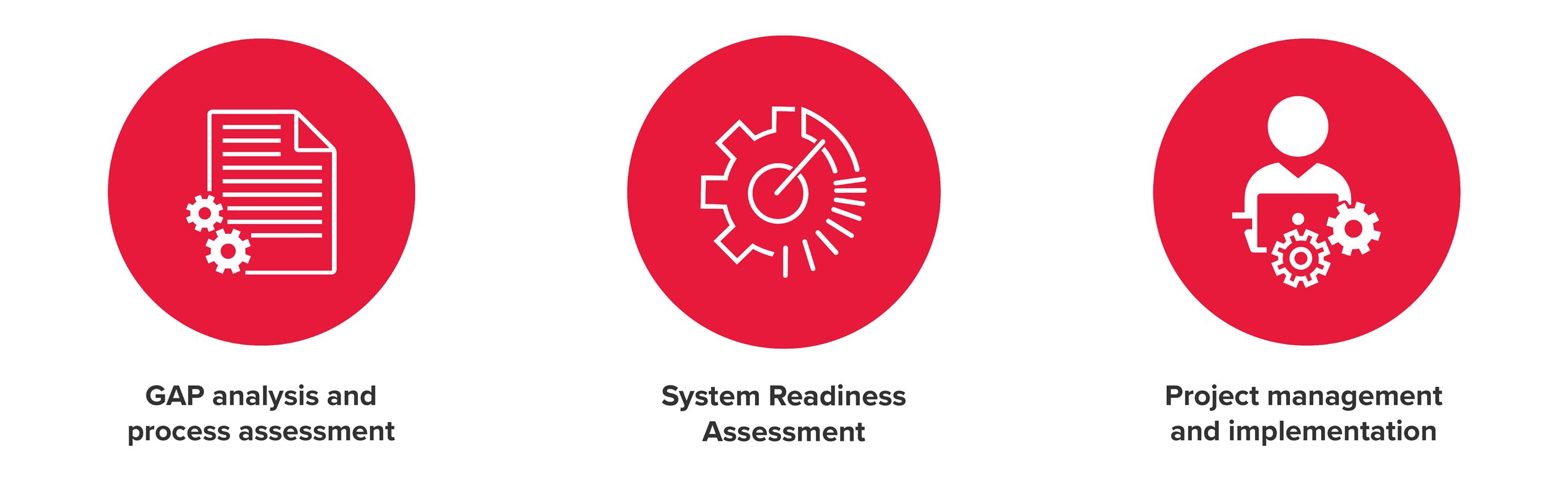
BDO supports you with a customized solution tailored to your needs and acts as your partner from strategy to implementation.


icons

More information can be found here:
This article was written by

Eva Sareiter
Certified Tax Advisor, Lawyer, Partner, Tax & Legal